
Emotion in Paintings - what does that mean and how do artists capture a feeling?
For over thirty years I have tried to create that certain feeling in my paintings. Explore with me why some paintings stay with us while others leave us unmoved.

How do you react to this painting? What do you feel?
Why do we connect with some paintings and have no interest in others?
A painting can describe something we are interested in but when a painting stirs an emotion within us we truly connect. We linger and remember the painting for years because it has spoken to something within us.
Why do only some paintings hold emotion?
Because only some artists use emotion to drive their paintings - most artists paint what they see, others paint what they feel about what they see; and some paint from their imagination, from inside themselves. It is my belief that the feeling in the painting begins with the artist and without it the work is mute and decorative.
Painting what you feel about what you see.
Artists use their imagination together with their own colour choice and some recognisable shapes.
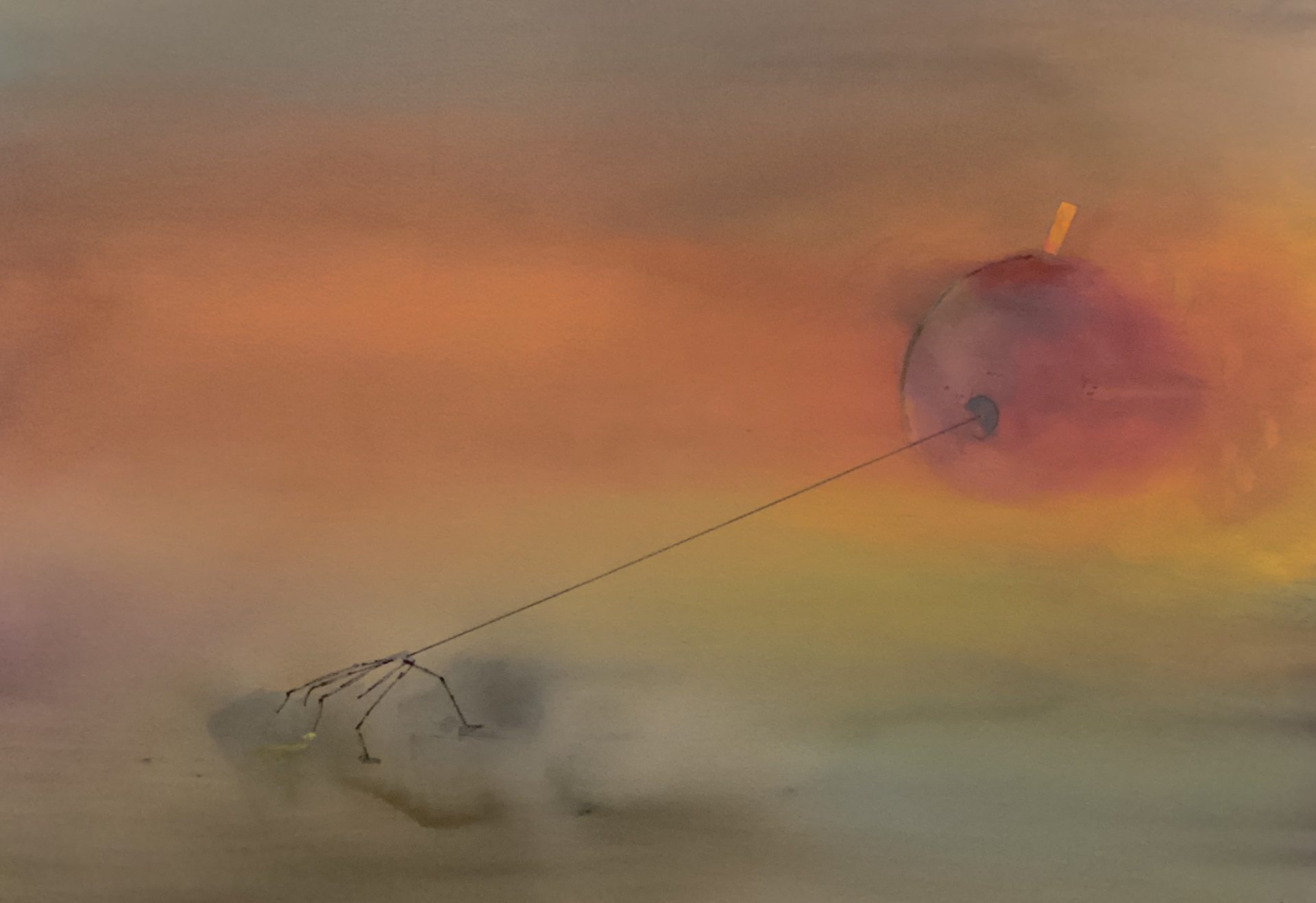

Painting from the imagination.
Visible cues are unnecessary when painting entirely from the imagination.

Why do people respond differently to the same painting?
Artists must accept that having emotion in a painting does not ensure a connection. Understanding why helps. Everyone is different; our experiences and personalities are unique. Some will connect because the painting resonates with experiences from their own lives, others naturally will not relate at all. Those who do connect may sense the artist's emotion, but they may transform it through their own interpretation. In short, not everyone will connect, and those who do will interpret the painting in their own way.
From realism to abstraction, all art with feeling can move us
We are familiar with paintings of recognisable subjects—boats, buildings, trees, animals and, of course, people. These representational works can hold emotion that viewers connect with. Realism can be art with feeling rather than simple description, but only when the artist seeks to move the viewer.
Abstract paintings follow the same principle. If the artist focuses only on form or technique, any emotional impact is accidental. True emotion in abstract art arises when the artist makes emotion the overriding goal, subordinating every other concern.
Abstraction, however, offers a unique advantage. It leaves more space for the imagination, inviting deeper personal responses. These may differ from those the artist intended, yet they are no less valid. In art there are no correct interpretations—only personal ones.
My Own Approach and Recommendations
Paint from within. Find inside yourself what you feel strongly about or are noticeably affected by. In summary,
Find Your Passion and Neuroses and let them drive your artistic endeavours.
These are the principles I have developed over my artistic life. My aim is simple yet demanding: to create visible feelings—to express what cannot be put into words. The paintings below are examples of my attempts to do just that.
From my abstract figures
The human figure is a wonderful way to express emotion. Body language, colour and gesture can all speak more powerfully than words.
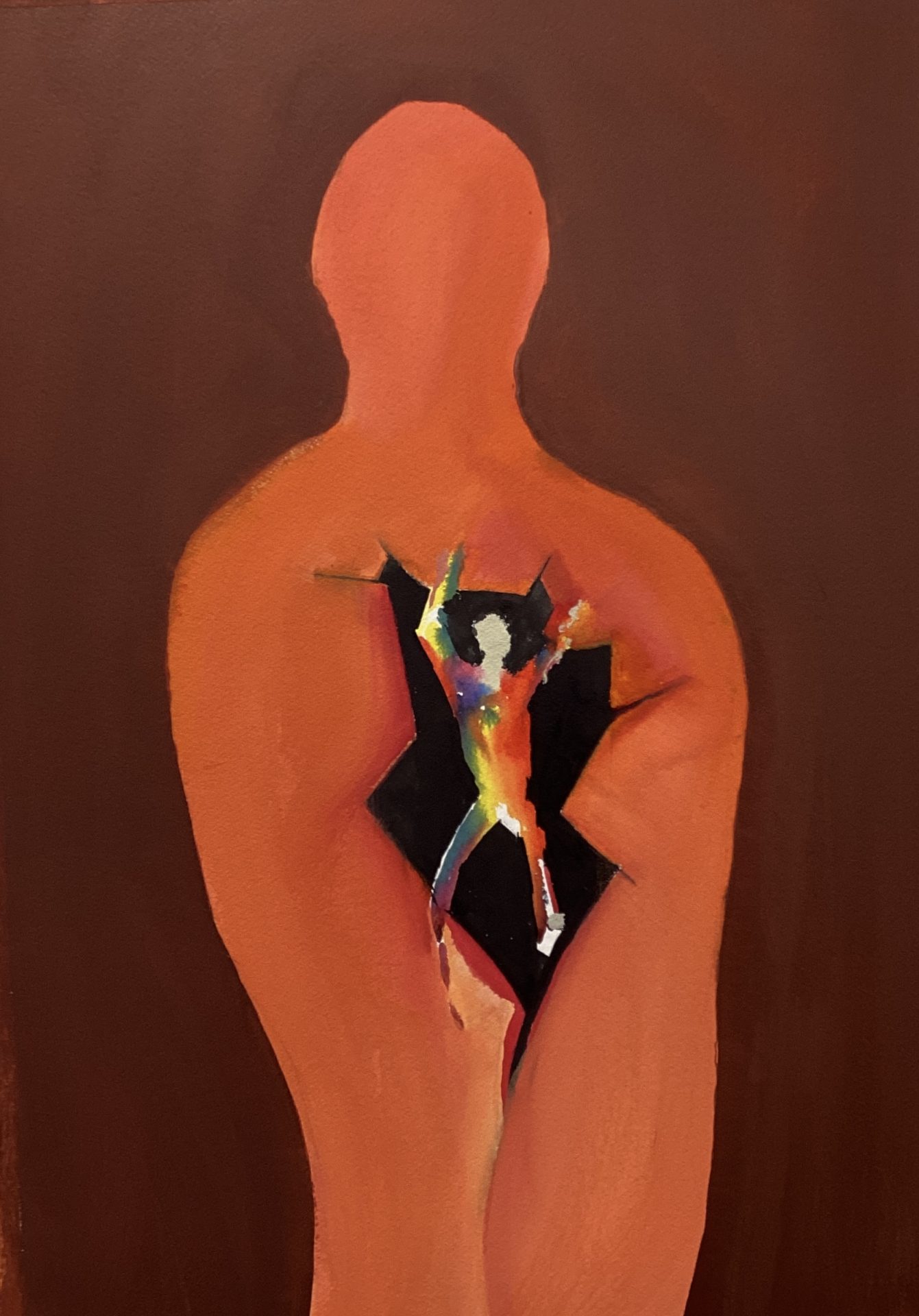
The inner child has to be heard - are you listening? no words for this one

The body language speaks volumes. Colour, posture and clothing reveal the character of this gentleman.

Body language -an unmissable statement where colour is not required - Hombre Painting
From my war series
You can paint the events of war or the emotions they create. For me, there is no choice.

Tommies
This is a statement that dead soldiers are bonded even after death. Roots in red beneath the gravestones symbolise that.

Danger Tree
The sight of this solitary survivor inspired powerful emotions that drove this painting.

Death
Stark and chilling were the trenches and expectations of the soldiers. Perhaps they could find shelter and maybe warmth but the expectation of death was a constant companion
In summary...
Paint your Passion
Let your emotions and experiences drive your work.

I hope this article has helped you understand why we connect deeply with some paintings while others leave us unmoved - and how people connect with a painting in their own way.
If you would like to explore these ideas further, you are welcome to browse more of my emotionally driven original abstract paintings.
Anything About Art
click for more posts